
Assessing Your Readiness: The First Step in the Zero Trust Blueprint
Posted: Wednesday April 9, 2025
Author: Jason Garbis
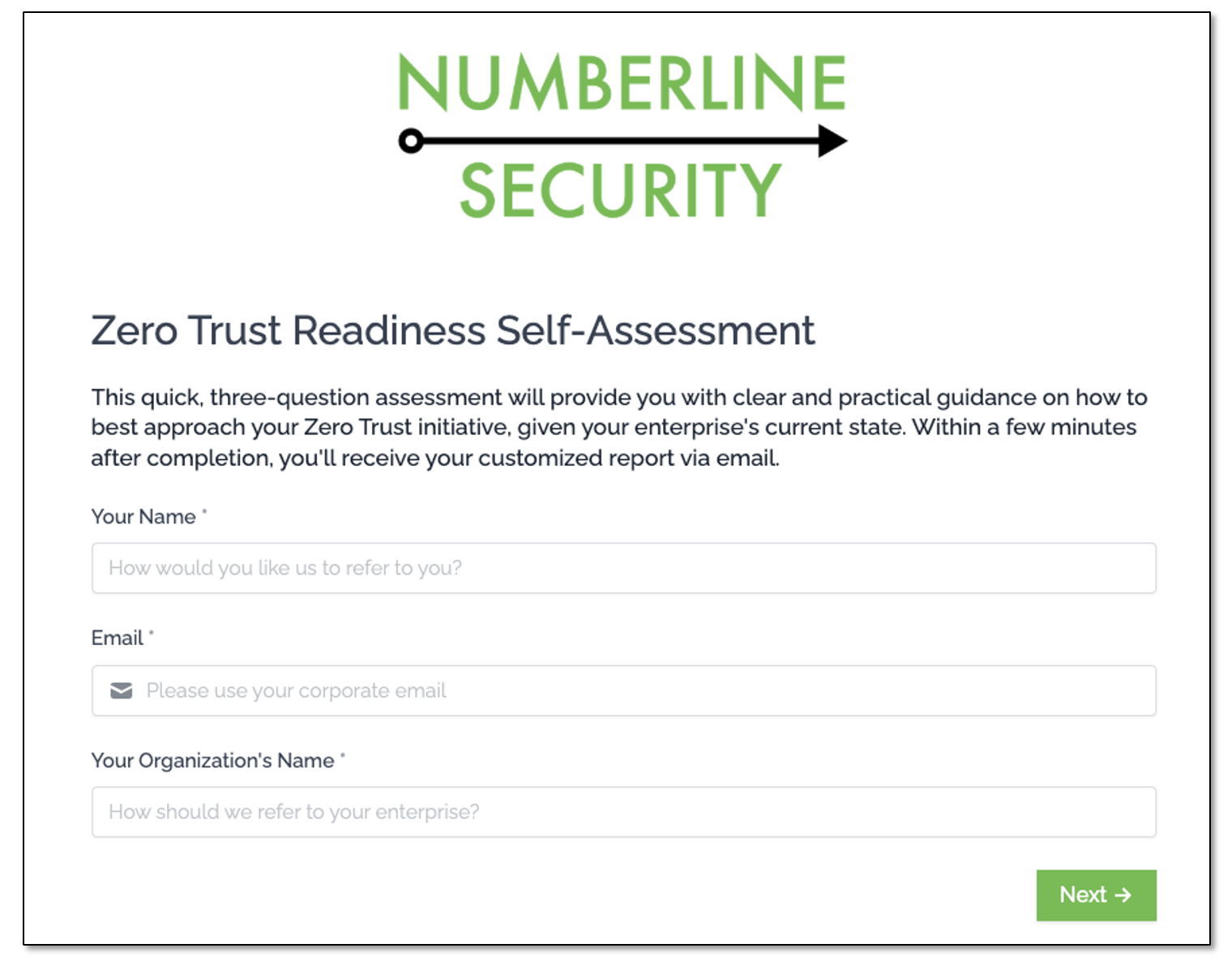
Quick link: Take the Zero Trust Readiness self-assessment here.
Zero Trust is a powerful strategy, but enterprises often struggle to translate it into concrete activities with measurable outcomes. Without proper structure, Zero Trust initiatives risk becoming aimless wanderings rather than strategic journeys. (Perhaps “aimless wanderings” is too harsh of a term; in that case, a more diplomatic phrase could be “departing on a journey without a clear destination in mind”.) In any case, after working with many enterprises, we recognized that there is a common and consistent need for structure around the overall initiative, as well as a model for actually defining a Zero Trust roadmap.
The Zero Trust Blueprint: A Structured Approach
Based on our many conversations and working sessions with enterprises, we’ve developed a comprehensive Zero Trust Blueprint that provides organizations with a clear pathway:

This structured approach ensures that enterprises can properly prepare for, define, and execute their Zero Trust journey with confidence. While we’ll explore the entire blueprint in future discussions, today we’re focusing on the critical first phase: Assessment.
The Assessment Phase: Understanding Your Starting Point
The Assessment phase consists of two evaluations:
- Zero Trust Readiness assessment
- Zero Trust Maturity assessment
These assessments work together to provide a comprehensive understanding of your current state and how it will influence your path forward. They help identify areas of strength and weakness, available resources (including people’s time, attention, budget, and priorities), and potential challenges.
Recall that we previously introduced ZTMM+, a framework for assessing Zero Trust maturity (see our earlier blog post about this). ZTMM+ is our enhanced version of the CISA Zero Trust Maturity Model, which provides more detailed definitions of pillar functions, clarifies maturity levels, and adds new functions to address evolving enterprise needs. It offers a structured methodology for conducting maturity assessments, providing organizations with a repeatable and consistent approach to evaluate their Zero Trust progress.
Today, let’s explore the equally important Zero Trust Readiness component.
What is Zero Trust Readiness?
Readiness evaluates three aspects of your enterprise’s current posture relative to adopting and implementing a Zero Trust strategy:
1. Enterprise Commitment to Zero Trust
Where does your organization currently stand in its Zero Trust journey? We’ve identified six distinct levels of commitment:
- Curiosity: Initial exploration phase where individuals or small teams are gathering information and learning about Zero Trust concepts.
- Intent: The organization has moved beyond curiosity to a general intention to pursue Zero Trust, but without formal planning or resources.
- Stated Need: Leadership has acknowledged Zero Trust as a needed approach, with some initial discussions about resources and timing.
- Active Security Initiative: A formal Zero Trust initiative exists within the security team, with dedicated resources and defined objectives.
- Active Business Initiative: The enterprise has chosen Zero Trust as a security strategy specifically to support business goals. That is, the business has committed to a strategic initiative, and Zero Trust is the means by which IT systems will securely enable its achievement.
- Mandate: Executive leadership has established Zero Trust as a formal requirement with clear expectations, timelines, and accountability.
Each level has different implications for your security program, and requires different priorities and actions in order to move forward most effectively.
2. Initiative Structure
How formally structured is your current or planned Zero Trust initiative? Three possible levels, plus the ever-present “Unknown”:
- Informal: Ad-hoc activities without central coordination
- Semi-Formal: Some structure but limited formal processes
- Formal: Well-defined governance, roles, and reporting
- Unknown or Uncertain: You don’t know what degree of formality is right for your initiative, or which will be imposed upon it
The degree of formality significantly impacts how you should approach the design and implementation of your program team.
3. Business Drivers
What business objectives could Zero Trust help accelerate or support? The full online assessment has ten possible drivers, including:
- Business expansion into new geographies or market segments
- Customer or partner integration initiatives
- DevOps adoption
- Cloud migration projects
- Regulatory compliance requirements
- Ransomware resilience
Identifying these drivers creates opportunities to align Zero Trust with business priorities, building broader support for your initiative.
Why Zero Trust Readiness Matters
Successful Zero Trust implementation requires more than just technical capabilities. Leadership alignment and communication are essential, as stakeholders must understand the benefits of Zero Trust, in order to provide any resources required, and to be willing to make changes to the organization’s culture and processes.
Without a clear picture of their organizational readiness, security leaders run the risk of encountering:
- Insufficient executive sponsorship to overcome resistance
- Misalignment between security goals and business objectives
- Inadequate resource allocation
- Cultural resistance to necessary changes
All of this can be avoided by a properly structured Zero Trust program, based on our proven blueprint.
Take the Zero Trust Readiness Self-Assessment
We believe that this first assessment step is so important that we’ve made our Zero Trust Readiness self-assessment freely available online. By completing this quick, 3-question assessment, you’ll receive a customized PDF report on:
- Your current organizational commitment, and next steps to take
- Implications of your initiative’s level of formality
- Actionable guidance to leverage your enterprise’s committed business initiatives
Next Steps in Your Zero Trust Journey
After completing the Zero Trust Readiness and Zero Trust Maturity assessments, you’ll be well-positioned to move to the Strategy phase of the Zero Trust Blueprint. This will include developing your vision and defining your Zero Trust program based on the insights gained from your assessments.
Remember that Zero Trust is a journey, not a destination. By starting with a thorough assessment of your organizational readiness, you establish a solid foundation for this journey and maximize your chances of success.
Ready to begin your Zero Trust journey with confidence?
Take the Zero Trust Readiness self-assessment today and establish a solid foundation for your Zero Trust initiative.